

Get the Latest Updates!

.svg)

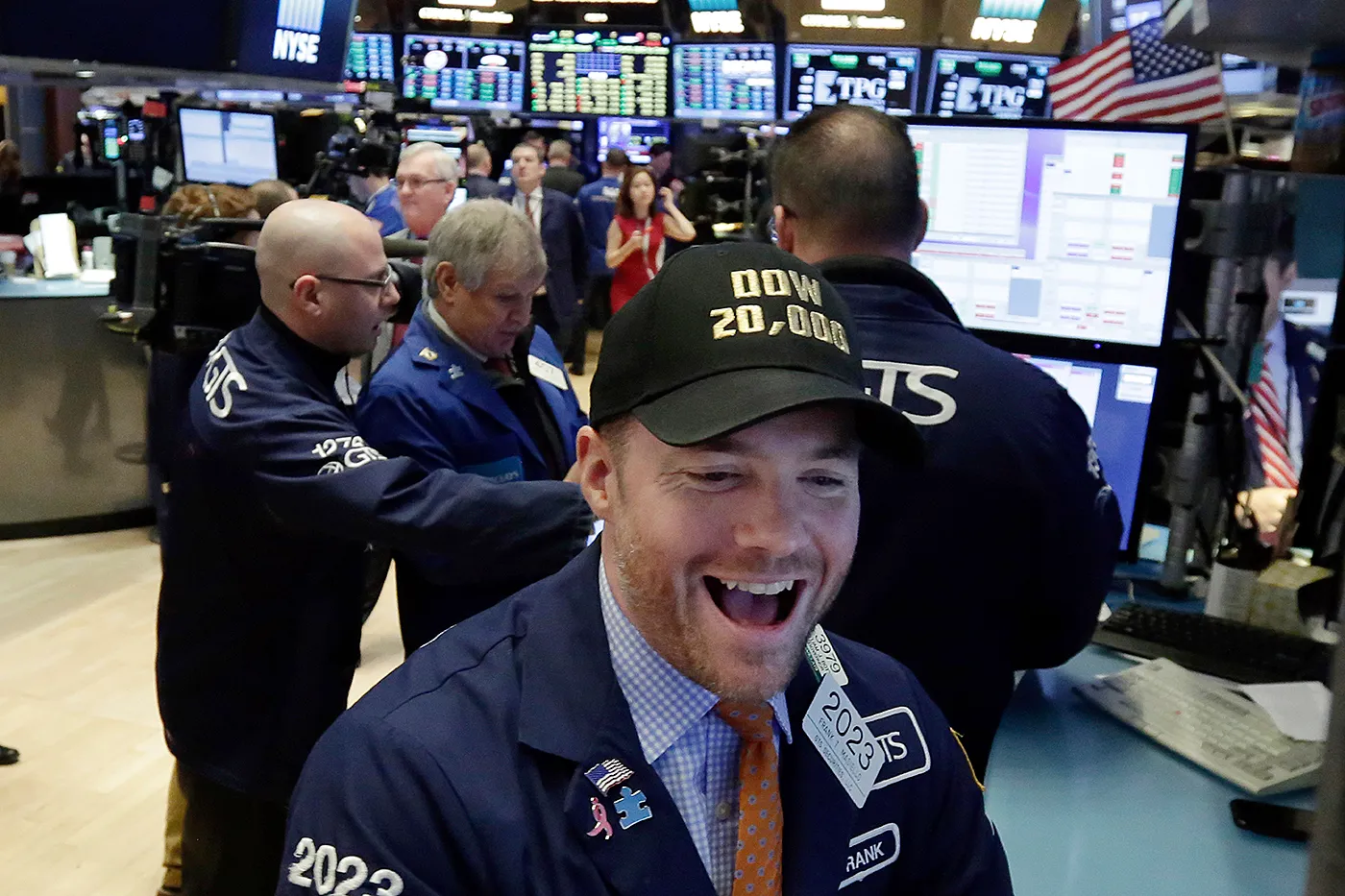

Stocks drifted sideways at the start of the week as investors turned their attention to what next year’s interest-rate landscape may look like. With a December rate cut from the Federal Reserve almost guaranteed, markets are shifting focus beyond the central bank’s final 2025 meeting. Meanwhile, US bonds softened.
The S&P 500 hovered near the flatline after ending the prior session just shy of its all-time high. A busy slate of dealmaking gave the Nasdaq 100 a lift, keeping the tech-heavy benchmark in positive territory. International Business Machines Corp. announced a roughly $9.3 billion acquisition of Confluent Inc., signaling a bold push deeper into enterprise software and AI infrastructure.
In another major development, Paramount Skydance Corp. launched a hostile bid for Warner Bros. Discovery Inc. The move came shortly after President Donald Trump flagged potential antitrust concerns surrounding Netflix Inc.’s proposed takeover of Warner’s studios and streaming assets.
US equities have rallied in recent weeks as several Fed officials hinted they support a third consecutive rate cut on Wednesday. Despite the rebound, traders remain cautious. Doubts about how aggressively the Fed will ease policy in 2026 paired with lingering questions about the staying power of the AI-fueled boom are tempering enthusiasm.
Kevin Hassett, considered a leading contender for the Fed chair role, added to the uncertainty. He said Monday that it would be “irresponsible” for the central bank to outline where rates might be headed over the next six months, stressing in a CNBC interview that policymakers must remain data-dependent. Persistent inflation concerns have also deepened internal divisions at the Fed, a dynamic amplified by the scarcity of reliable data during the ongoing government shutdown. Markets now expect two rate cuts by the end of 2026 down from three the market had priced in only a week earlier.
Evercore ISI strategist Julian Emanuel warned that December could be full of unexpected twists for investors. Although a hawkish cut is widely anticipated this week, he noted that “a divided FOMC makes any pronouncement far less credible than usual.”
The bond market has been under pressure as well. US Treasuries just wrapped up their worst week in eight months, driven by growing uncertainty over the Fed’s longer-term easing cycle. Recent economic indicators and remarks from policymakers suggest that Wednesday’s decision may not be unanimous, with dissent likely from both hawkish and dovish members.
Emanuel added that signs of labor market fragility whether due to a slowdown in the natural rate of job growth stemming from restrictive immigration policies or a cooling broader economy could push Chair Jerome Powell to strike a more dovish tone.
Looking toward the expected end of the Fed’s cutting cycle in 2026, Lisa Shalett, chief investment officer at Morgan Stanley Wealth Management, said investors may soon shift their attention to the prospect of “fiscal dominance.” In this scenario, government spending constraints begin to overshadow monetary policy as the primary driver of markets.
As investors digest this shift, we could see a steeper yield curve, a 10-year Treasury anchored above 4%, firmer inflation, wider term premiums and additional downward pressure on the US dollar,” Shalett said. “This environment favors positive stock-bond correlations and increases the need for diversification across real assets, international securities and alternative strategies.”
European bonds lagged in a global selloff after the European Central Bank’s Isabel Schnabel became the first senior official to openly suggest that euro-area interest rates have likely hit their lower limit. US Treasuries extended their decline as the 10-year yield climbed four basis points to 4.18%.
“The tone of Chair Powell’s press conference will be crucial,” wrote Deutsche Bank strategist Jim Reid. He expects Powell to reinforce that the bar for further early-2026 cuts is high, signaling a potential pause guidance Reid says is essential for the Fed’s credibility.
Despite all this, equity investors remain broadly optimistic. Interviews with 39 portfolio managers across the US, Europe and Asia showed that most are still positioned for a risk-on backdrop through next year. Their optimism rests on expectations for steady global growth, ongoing advances in AI, supportive monetary policy and fiscal stimulus.
Fabien Benchetrit, head of target allocation for France and southern Europe at BNP Paribas Asset Management, said he remains constructive on 2026 but does not plan to increase equity exposure before year-end. “Most of us have had a strong year, and with liquidity typically thinning out in the last two weeks of December, adding risk here doesn’t make much sense,” he said. “In AI, 2025 was driven by capex; 2026 will be about those investments generating revenue, profits and meaningful productivity gains.”
Across Asia, mainland Chinese equities led regional gains after China’s Politburo made strengthening domestic demand its top priority for 2026. In Japan, bond yields climbed across the curve following data showing the economy contracted in the third quarter. The report supports Prime Minister Sanae Takaichi’s recent stimulus package and adds complexity to next week’s Bank of Japan meeting though it likely won’t derail the central bank’s slow, steady tightening path.
Image
Gallery.


Subscribe to our newsletter!
As a leading independent research provider, TradeAlgo keeps you connected from anywhere.

Explore
Related posts.

