

Get the Latest Updates!

.svg)

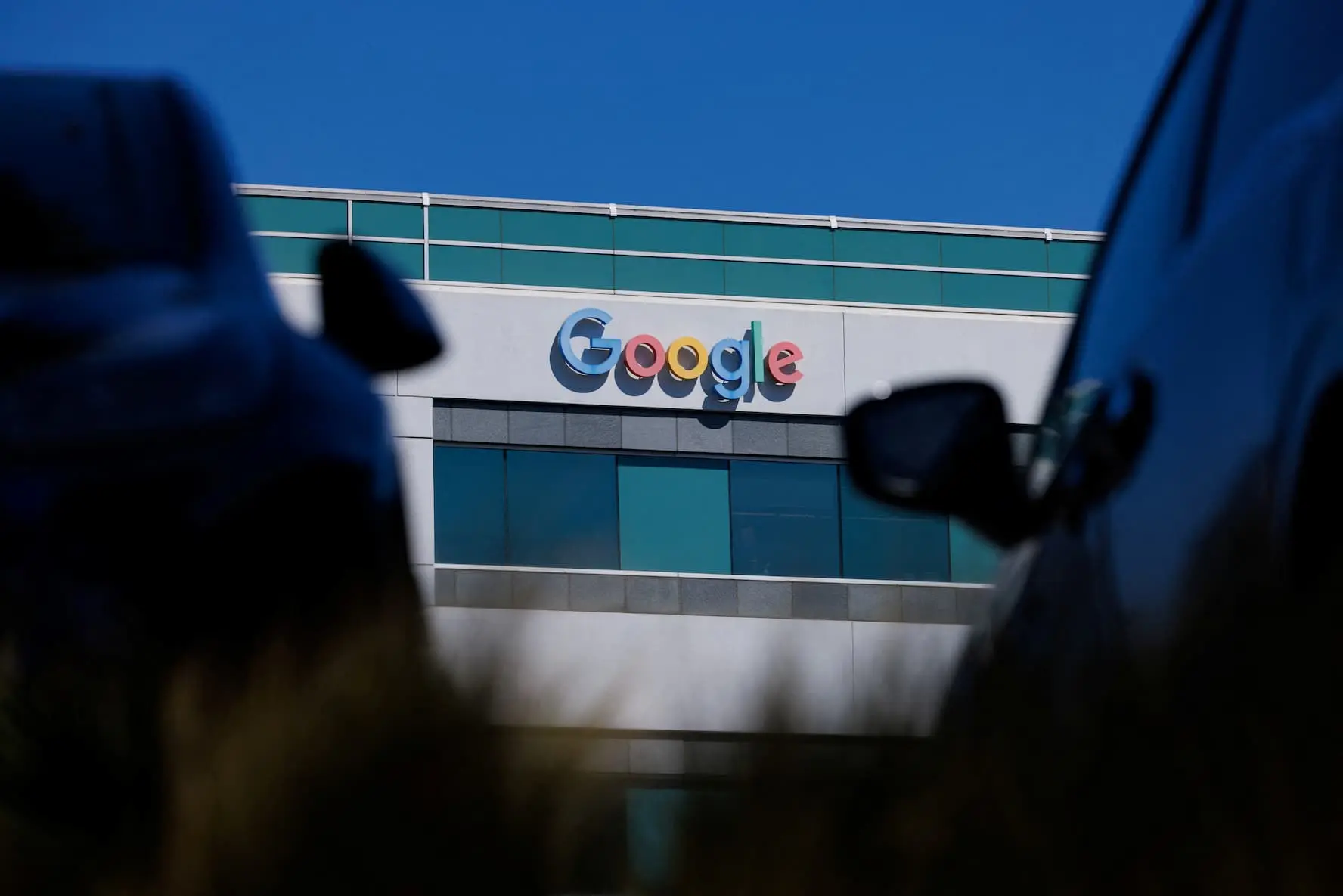

Google Invests in Tesla Co-Founder’s Redwood at $6 Billion Valuation
Redwood Materials Inc. has brought Alphabet Inc.’s Google into its investor base as part of an expanded funding round that places the battery recycling and energy storage company’s valuation above $6 billion.
The latest investment highlights growing confidence in the startup’s role in supporting the clean energy transition and strengthening critical infrastructure tied to electrification and artificial intelligence.
Led by Tesla Inc. co-founder JB Straubel, Redwood announced Wednesday that it raised a total of $425 million after reopening its Series E round. That figure exceeds the $350 million the company had secured when the financing was first unveiled in October, led by venture capital firm Eclipse and NVentures, the investment arm of Nvidia Corp. The additional capital signals continued investor interest in the company’s long-term growth strategy.
People familiar with the matter said the expanded round continues to value Redwood at more than $6 billion, though the company declined to confirm its valuation publicly. A Google spokesperson verified Alphabet’s participation in the funding but did not provide further financial details. The backing from one of the world’s largest technology companies adds further credibility to Redwood’s business model and market positioning.
November, Redwood reduced its workforce by dozens of employees, representing roughly 5% to 6% of total staff, as it sharpened its focus on grid-scale energy storage solutions. The latest round of financing is expected to accelerate deployments of large battery storage systems, while also supporting Redwood’s recycling operations and critical minerals business, according to the company.
Founded in 2017 by Straubel, Redwood originally set out to localize key parts of the electric vehicle battery supply chain. The company’s early mission centered on recycling end-of-life EV batteries and consumer electronics to recover valuable materials and reduce reliance on overseas sources. This approach positioned Redwood as a key player in the push to create a more sustainable and resilient battery ecosystem in the US.
However, as US electric vehicle adoption has fallen short of earlier expectations and policy incentives have weakened under the Trump administration, Redwood has adjusted its strategy.
The company is now targeting the growing need for clean, dependable power to support data centers and other energy-intensive infrastructure tied to artificial intelligence and advanced manufacturing. This pivot reflects broader shifts in energy demand across the economy.
“As electricity consumption continues to rise driven by AI, data centers, industrial growth, and electrification energy storage is no longer optional. It’s critical infrastructure,” Redwood said in its statement. The company believes that large-scale batteries will play a central role in stabilizing power grids and ensuring reliable access to renewable energy around the clock.
Google’s investment aligns with a broader trend among major technology firms seeking to secure long-term energy supplies for their expanding data center footprints. Companies such as Amazon.com Inc. and Microsoft Corp. are also pursuing large-scale power agreements and infrastructure investments to meet rising demand from cloud computing and AI workloads. These efforts highlight the strategic importance of energy storage and grid resilience in sustaining digital growth.
Alphabet took a significant step in this direction in December, when it agreed to acquire clean energy developer Intersect Power LLC for $4.75 billion in cash, along with the assumption of existing debt. That deal underscores Google’s commitment to expanding its access to renewable energy assets and strengthening its power infrastructure portfolio.
For Redwood, Google’s participation represents more than just a capital infusion. It signals validation from a leading technology company that depends heavily on reliable, sustainable electricity. This endorsement could help Redwood attract additional partners and customers as it scales its energy storage deployments and recycling operations across North America.
Investors are increasingly viewing battery storage as a cornerstone of the energy transition, particularly as renewable power generation grows and grid stability becomes more complex. Energy storage systems help balance intermittent supply from solar and wind while meeting surging demand from data centers, electric vehicles, and industrial electrification. Redwood’s positioning at the intersection of recycling, critical minerals, and storage gives it exposure to several of the most attractive segments in the clean energy market.
Despite recent workforce reductions, the company’s latest funding round suggests confidence in its long-term prospects. The additional capital provides flexibility to invest in new projects, expand capacity, and pursue partnerships that support both sustainability goals and economic growth. For investors, Redwood offers a compelling blend of environmental impact and infrastructure opportunity.
As the energy landscape continues to evolve, companies that can deliver reliable storage solutions and secure access to critical materials are likely to play an increasingly important role. With backing from Google and other major investors, Redwood Materials is positioning itself as a key player in building the foundation for a cleaner, more resilient power system one that supports both the next generation of technology and the broader transition to sustainable energy.
Image
Gallery.


Subscribe to our newsletter!
As a leading independent research provider, TradeAlgo keeps you connected from anywhere.

Explore
Related posts.

