

Get the Latest Updates!

.svg)

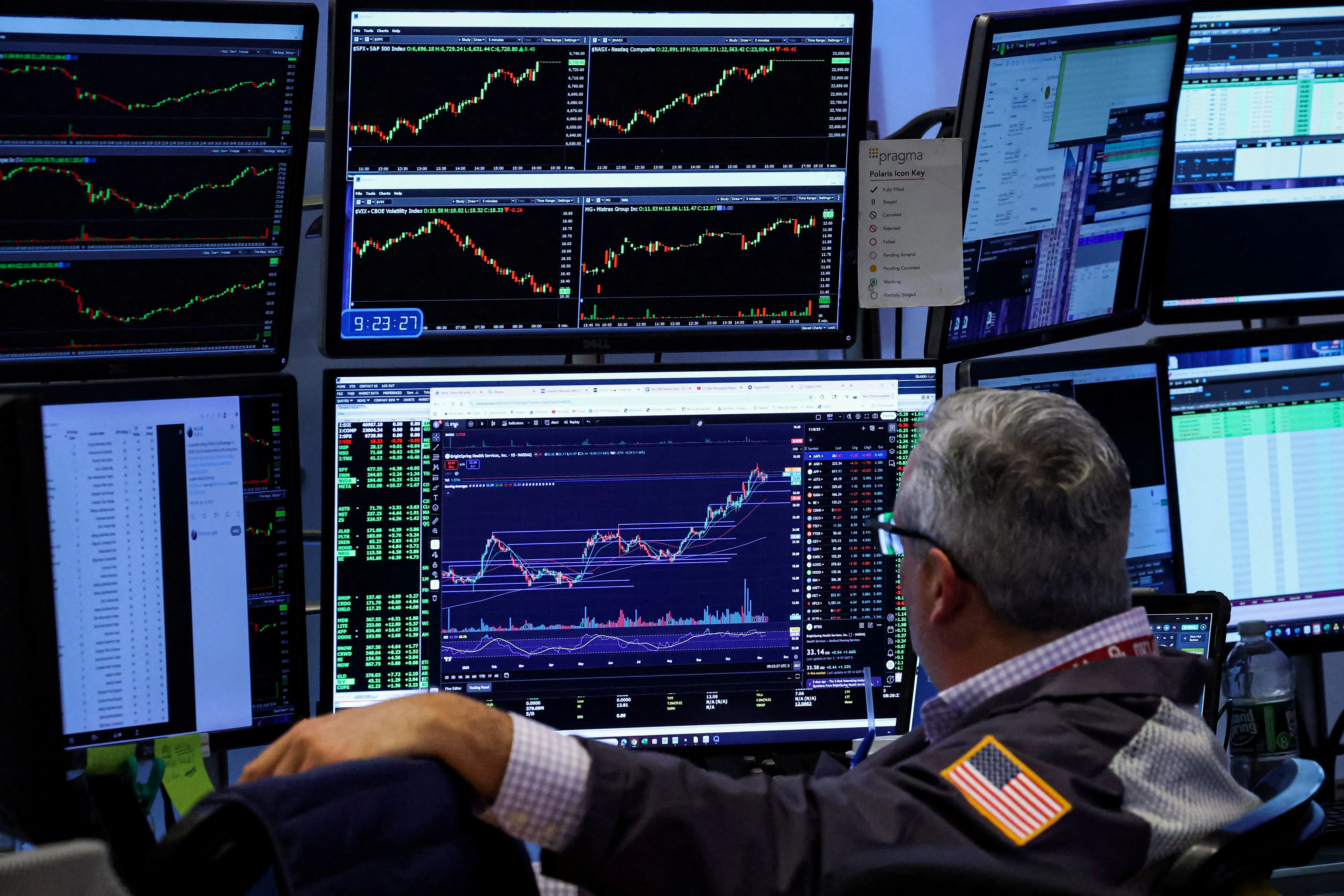

This year delivered some of the most dramatic market swings US investors have seen in quite some time, underscoring just how quickly sentiment can shift in a policy-driven environment.
The S&P 500 Index experienced a sharp selloff in April, sliding dangerously close to a bear market as concerns mounted over the economic fallout from newly proposed tariffs. Fears that escalating trade tensions could disrupt supply chains, slow growth, and pressure corporate profits rattled Wall Street, triggering a broad pullback across equities.
That bout of pessimism, however, did not last long. Markets reversed course after President Donald Trump signaled a more flexible approach, easing concerns by stepping back from immediate tariff implementation.
Confidence returned rapidly, and stocks rebounded with surprising speed. By late June, the S&P 500 was setting fresh record highs, fueled in large part by renewed enthusiasm for artificial intelligence and its long-term impact on corporate earnings. Investor appetite for AI-linked companies once again proved powerful enough to overshadow lingering macroeconomic risks.
The market’s dizzying swings over this period are perhaps best captured by movements in the Cboe Volatility Index, widely known as the VIX. Often referred to as Wall Street’s “fear gauge,” the VIX tracks expectations for near-term price fluctuations in US equities. When uncertainty spikes, the index tends to rise sharply, reflecting increased demand for options-based protection against market declines.
That dynamic was on full display in early April. On April 8, the VIX surged above the 50 level, a threshold rarely crossed outside periods of extreme stress. This marked the index’s highest reading since the early days of the Covid-19 pandemic and only the second time it has reached such levels since the global financial crisis. The spike highlighted the intensity of investor anxiety as markets grappled with the potential scope and scale of the Trump administration’s sweeping tariff plans.
At the time, traders were bracing for a worst-case scenario in which trade barriers could reignite inflation pressures, undermine corporate margins, and complicate the Federal Reserve’s path on interest rates. The sudden surge in volatility reflected how quickly risk aversion took hold as investors scrambled to reassess portfolios amid rapidly changing policy signals.
That fear, however, proved fleeting. When President Trump announced a three-month delay on the proposed tariffs, markets responded almost immediately. Equities stabilized, risk appetite returned, and measures of volatility retreated just as quickly as they had climbed. By May, the VIX had fallen back below the 20 mark, a level more consistent with calmer market conditions and steady investor confidence.
Since then, volatility has remained relatively subdued, signaling that investors are once again focused on growth narratives rather than policy shocks. The pullback in the VIX suggests that markets are comfortable, at least for now, with the balance between economic resilience, easing trade tensions, and optimism around transformative technologies such as artificial intelligence.
Still, the sharp rise and fall in volatility earlier this year serves as a reminder of how sensitive markets remain to political developments and how quickly conditions can change when policy uncertainty resurfaces.
Image
Gallery.


Subscribe to our newsletter!
As a leading independent research provider, TradeAlgo keeps you connected from anywhere.

Explore
Related posts.

