

Get the Latest Updates!

.svg)

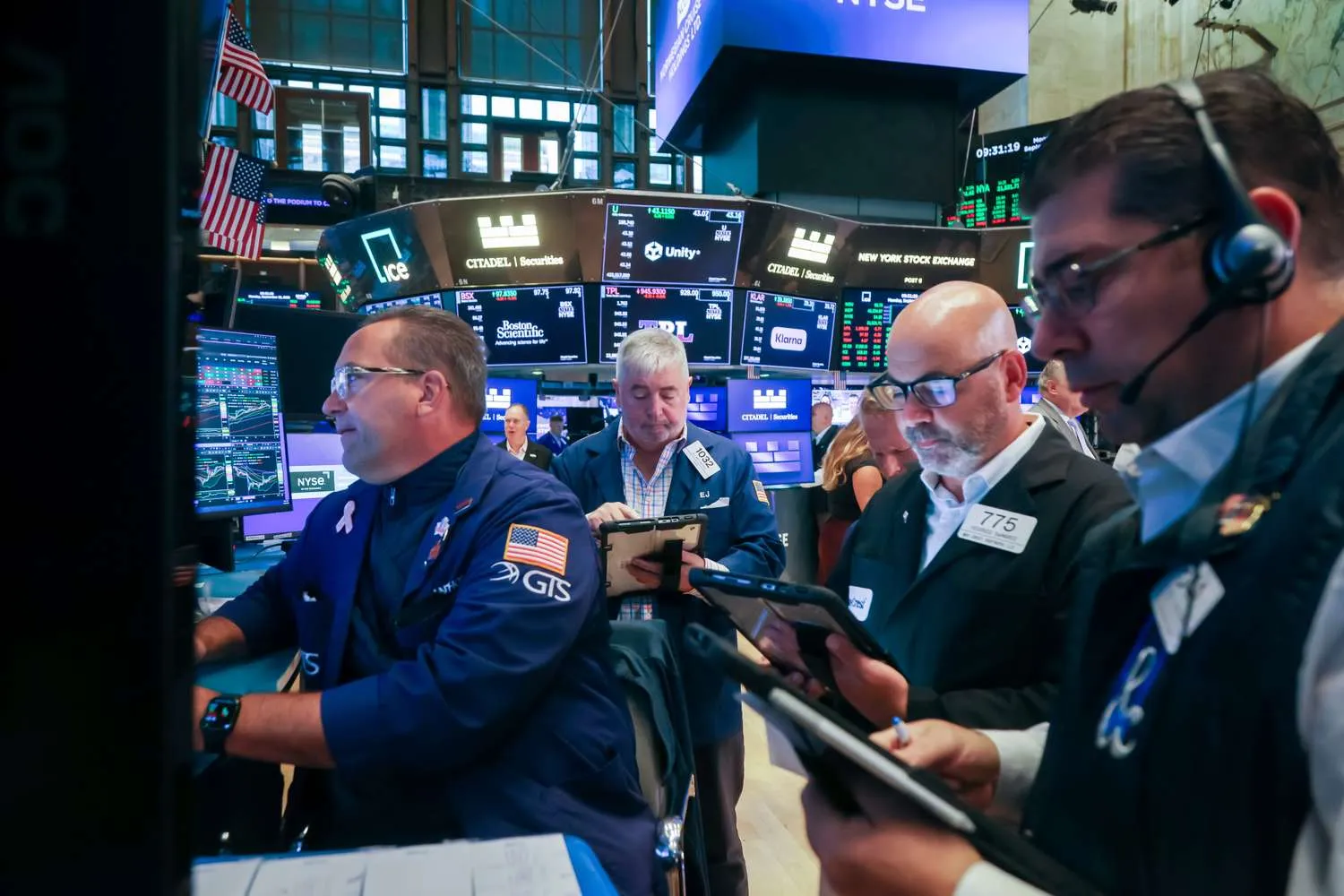

US stock index futures plunged sharply the worst drop since November as global markets reacted to a weekend escalation in trade tensions triggered by President Donald Trump’s controversial insistence that the US should assert control over Greenland. The unexpectedly aggressive tariff threats against several European nations rattled investors and ignited fears of a fresh trade conflict with the European Union.
At around 7:30 a.m. in New York, futures on the S&P 500 were down about 1.5%, a slide that would wipe out the benchmark’s modest year-to-date gains once markets open. Contracts tied to the tech-heavy Nasdaq 100 fell roughly 1.8%, reflecting heightened risk aversion among growth and tech stocks that are particularly sensitive to geopolitical uncertainty. Meanwhile, safe-haven assets rallied: gold prices soared, US Treasuries weakened, and the US dollar slid lower, signaling broad investor caution.
The volatility rippling through financial markets stemmed from renewed remarks by Trump suggesting the United States could impose tariffs on up to eight European countries if they resist US demands regarding Greenland a semi-autonomous territory of Denmark. European leaders, outraged by the threats, quickly called for emergency discussions on how to respond, including the possibility of retaliatory tariffs on an estimated €93 billion ($109 billion) worth of US exports.
During a major address over the weekend, Trump reiterated that imports from nations including Germany, France, Norway, and others could face a 10% tariff starting Feb. 1. He also warned these levies could jump to 25% by June if his objective of securing Greenland is not met. Denmark and Greenland have been clear that the island is not for sale.
“The market’s reaction reflects a sudden rise in geopolitical risk,” said Michael O’Rourke, Chief Market Strategist at JonesTrading. “The idea of coercing an ally over sovereign territory injects a level of uncertainty that markets don’t like, and it could take years to undo the diplomatic damage.” Investors are especially cautious given the already fragile backdrop of global economic growth and recent bond market stress.
Coming into 2026, Wall Street strategists had been broadly optimistic, expecting continued economic expansion driven by solid earnings. That bullish consensus helped markets shrug off earlier policy risks, including concerns over Federal Reserve independence and geopolitical tensions elsewhere. But the Greenland tariff threats have upped the ante, forcing traders to reassess risk profiles across global assets.
European bourses mirrored the risk-off mood, with key indices tumbling more than 1% on Tuesday their second straight session of notable declines. Major markets such as the DAX and CAC 40 were particularly hard-hit as export-oriented sectors braced for potential tariff fallout.
Trump’s sharp rhetoric didn’t stop with broad tariffs. He specifically singled out French wine for potential 200% duties following diplomatic friction with French leaders over unrelated geopolitical disagreements. These additional threats deepened investor concerns and expanded the scope of potential trade conflict.
Market strategists warn that if these tariffs are enacted or if the US attempts to annex Greenland a move widely regarded as legally untenable stock markets could experience even steeper losses than seen in past trade shock episodes. For example, when Trump previously introduced significant tariffs in April, the S&P 500 dropped about 11% over three days before stabilizing.
Across the Atlantic, European political leaders have not been silent. EU Commission President Ursula von der Leyen described the tariff strategy as a strategic error that risks undermining transatlantic cooperation at a time when unity on Arctic security and economic ties are crucial. The EU is reportedly working on plans to fortify Arctic security and invest in regional infrastructure, further signaling Europe’s resistance to Trump’s approach.
Safe-haven flows were evident in early trading as investors repositioned portfolios. Gold and silver hit fresh highs, while government bonds saw increased buying. These moves reflect investors’ preference for shelter over risk assets amid heightened policy uncertainty.
Asian markets largely tracked the downward trend seen in Europe and the US, with major benchmarks also slipping as traders digested the growing possibility of a transatlantic trade conflict.
Looking ahead, all eyes in financial markets will be on upcoming diplomatic engagements, including Trump’s scheduled remarks at the World Economic Forum in Davos. Investors will be watching to see whether the White House doubles down on its Greenland strategy or offers clearer signals that tensions with European allies can be eased. Decisions over the next few sessions are likely to shape market risk sentiment and trading behavior for weeks to come.
Image
Gallery.


Subscribe to our newsletter!
As a leading independent research provider, TradeAlgo keeps you connected from anywhere.

Explore
Related posts.

