

Get the Latest Updates!

.svg)

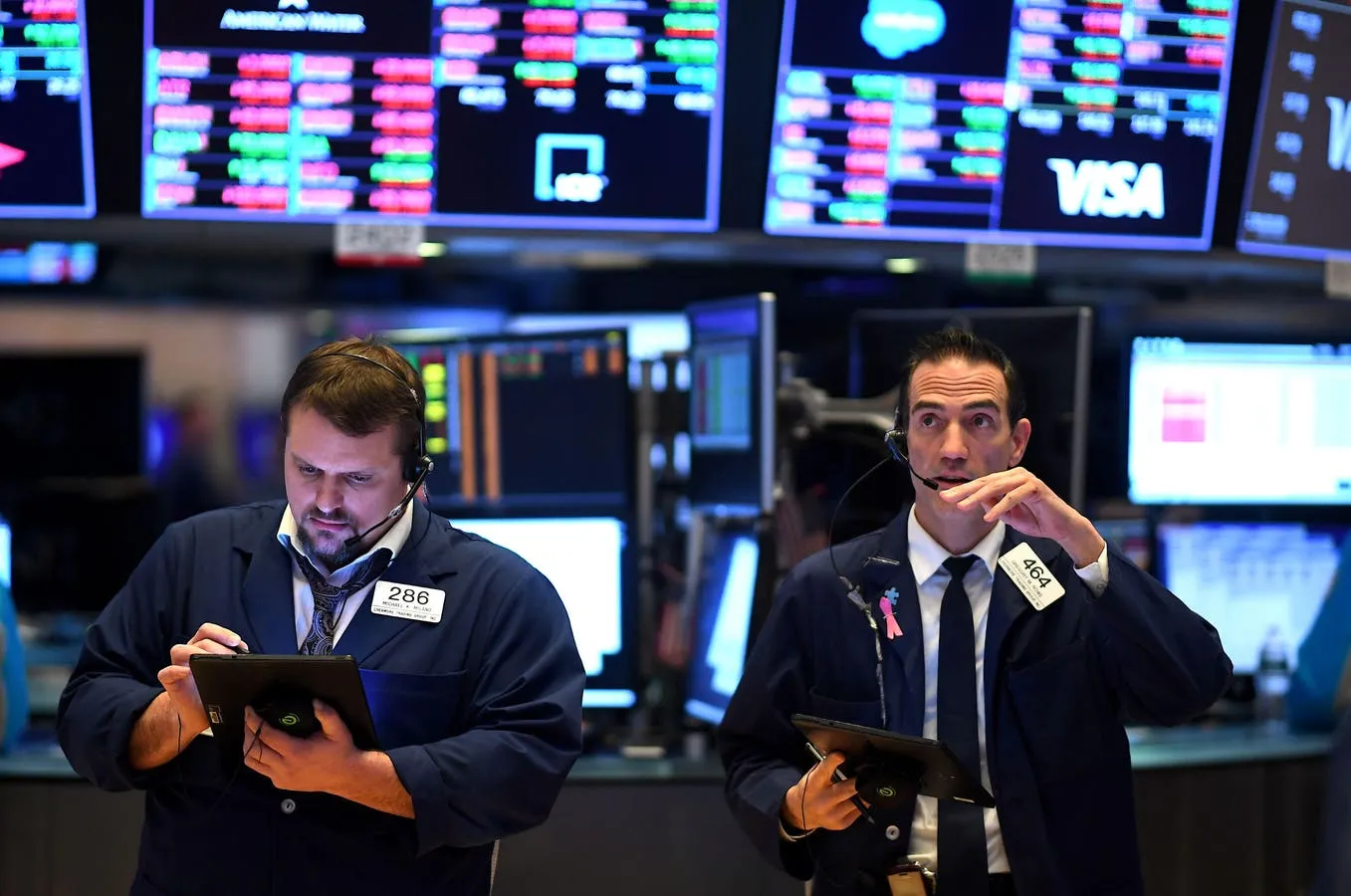

Global markets are heading into the new trading week on edge after the United States removed Venezuela’s president from power, creating a fresh geopolitical shock that adds to regional instability and revives concerns around energy supply. The development introduces a new layer of uncertainty for investors already navigating a fragile global backdrop.
Currency markets are expected to offer the first clues on investor sentiment before US equity futures and American crude contracts begin trading. Brent crude will follow later in the session. At the same time, traders are closely monitoring traditional safe-haven assets such as gold and silver, which have regained popularity amid rising geopolitical tensions.
Oil is likely to command most of the attention after the weekend capture of Nicolás Maduro, an event that complicates the outlook for supply from the OPEC member. While Venezuela is not among the world’s top 20 oil producers, any sustained rise in crude prices could reignite inflation worries and weigh on global economic growth.
Wall Street strategists remain broadly constructive on equities for the year ahead, but heightened geopolitical risk could test market confidence after global stocks posted their strongest annual performance since 2017. Even a modest disruption to energy markets has the potential to ripple across asset classes.
“The arrest of Maduro could trigger a short-term risk-off mood in Asian markets, mainly through higher oil prices and a jump in geopolitical risk premiums,” said Jung In Yun, chief executive officer at Fibonacci Asset Management Global in Singapore. “However, we don’t expect this to evolve into a prolonged oil shock, and the negative sentiment should fade relatively quickly.”
Early indications suggest that the global oil market may absorb the news without major disruption. According to people familiar with the situation, Venezuela’s oil infrastructure remains intact following a series of US strikes in Caracas and other regions. Critical facilities, including the Jose export terminal, the Amuay refinery, and production sites in the Orinoco Belt, are still operating.
Even so, analysts expect an initial lift in oil prices alongside increased demand for defensive assets. Kim Doo-un, an analyst at Hana Securities in Seoul, said the US action is likely to prompt a short-term rise in crude while boosting interest in gold. The US dollar may also strengthen in the near term as investors seek safety amid uncertainty.
“For equities, this development adds to near-term volatility, but history suggests it can also create selective opportunities,” Kim noted. Similar geopolitical episodes in the past have often produced temporary market swings rather than lasting downturns.
Bond markets will also be closely watched. Rising Treasury yields can pressure stocks if they move too quickly. On Friday, the benchmark 10-year yield climbed two basis points to 4.19%, while the 30-year yield rose to 4.87%, briefly touching its highest level since September. Investors are now weighing whether the situation in Venezuela boosts demand for US government debt as a safe haven or undermines it by stoking inflation concerns.
From a market standpoint, investors should be cautious about overreacting to the regime change in Venezuela when markets reopen,” wrote Marko Papic, chief strategist at BCA Research. “A large-scale deployment of ground troops is very unlikely. As a result, US fiscal spending shouldn’t be affected, and there’s little reason to expect bond yields to move higher because of this.”
In other developments, Federal Reserve Bank of Philadelphia President Anna Paulson said that limited additional interest-rate cuts could be appropriate later in 2026, provided the economic outlook remains stable. Her comments reinforce expectations that monetary policy will stay flexible but data-dependent.
US equities began 2026 on a tentative note, with major indexes posting modest gains on the first trading day of the year. Asian stocks, meanwhile, enjoyed their strongest start to a new year since 2012, led by technology shares that benefited from renewed optimism around innovation and growth.
“Even if volatility increases in the near term, equities are likely to look past the headlines,” said Dave Mazza, chief executive officer at Roundhill Investments. “Interest rates and US-specific drivers should ultimately set the tone for markets in 2026. If no major new developments emerge by Monday, stock investors will probably brush this off.”
Looking ahead, a busy economic calendar could play a bigger role in shaping market direction. Alongside the December employment report, the US Bureau of Labor Statistics will release November data on job openings, resignations, and layoffs. The Institute for Supply Management’s December surveys covering manufacturing and services will also provide insight into labor market conditions.
Later in the week, investors will review October housing starts data, while the University of Michigan publishes its preliminary January reading on consumer sentiment. Together, these reports may prove more influential for markets than geopolitical headlines as investors assess the underlying strength of the US economy.
Image
Gallery.


Subscribe to our newsletter!
As a leading independent research provider, TradeAlgo keeps you connected from anywhere.

Explore
Related posts.

