

Get the Latest Updates!

.svg)

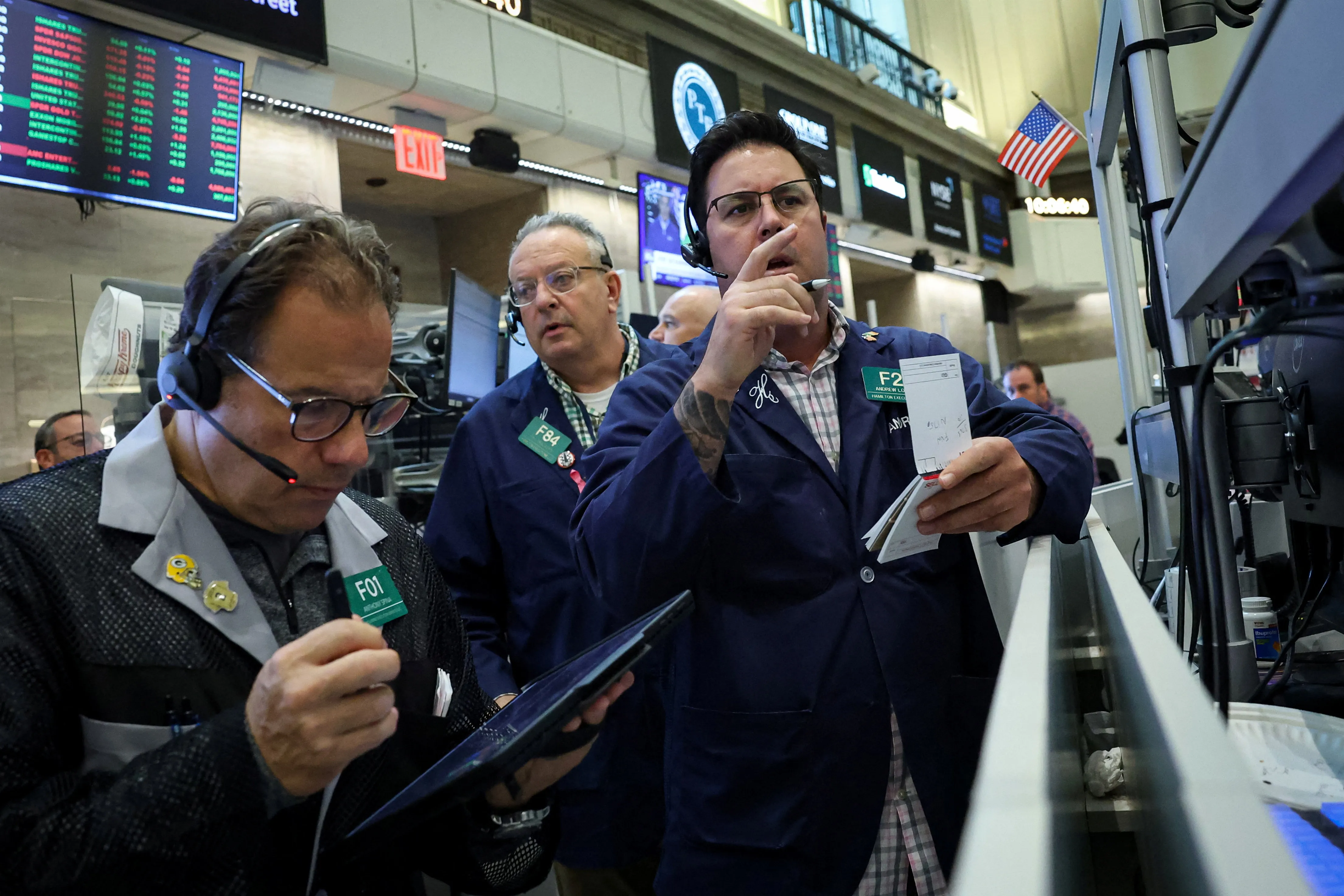

Equity markets drifted slightly lower as investors largely chose to sit on the sidelines, waiting for key economic data from the United States that could provide clearer direction. With no major regional catalysts to drive conviction, trading activity remained subdued across much of the region. Meanwhile, US Treasuries held onto recent gains, signaling continued caution among global investors.
The MSCI Asia Pacific Index slipped about 0.1%, trimming an earlier decline of roughly 0.3% as losses moderated toward the end of the session. The muted movement reflected a broader sense of hesitation following a recent pullback in global equities. Earlier this week, both a widely followed global stock benchmark and the S&P 500 recorded their first declines of 2026, prompting investors to reassess risk exposure.
Market participants appeared reluctant to make bold moves ahead of upcoming US economic releases, which are expected to offer fresh insight into the health of the world’s largest economy. Data on inflation, employment, and consumer demand could shape expectations for Federal Reserve policy, making them particularly important for asset prices across Asia.
Despite the overall softness in equities, defense-related stocks in the region posted gains. The sector benefited from renewed optimism after President Donald Trump reiterated plans to significantly increase the US military budget. His proposal to expand defense spending has fueled expectations of stronger global demand for military equipment, aerospace systems, and related technologies, providing a lift to companies with exposure to defense supply chains.
Asian defense stocks have increasingly been viewed as beneficiaries of rising geopolitical tensions and growing government commitments to national security. Investors see longer-term revenue visibility for firms involved in weapons manufacturing, surveillance systems, and advanced defense electronics, even as broader market sentiment remains cautious.
Technology shares showed mixed performance, reflecting both stock-specific developments and broader uncertainty around global growth. Samsung Electronics was among the notable gainers, rising about 0.6% after reporting quarterly profits that more than tripled from a year earlier to reach a record high. The strong results underscored improved pricing conditions and resilient demand in parts of the semiconductor market, offering a bright spot for the sector.
Samsung’s earnings beat reinforced optimism that certain segments of the chip industry may be emerging from a prolonged downturn. Improved memory pricing and disciplined supply management have helped stabilize profits, though analysts remain divided on how sustainable the recovery will be as global demand patterns evolve.
Elsewhere in Asia, gains were limited as investors weighed mixed signals from China, where economic momentum has yet to show a decisive turnaround. Ongoing concerns around property markets, consumer confidence, and export growth have continued to cap enthusiasm for Chinese equities, even as policymakers signal support for the economy.
Japanese stocks were also little changed, with investors monitoring currency movements and bond yields. The yen’s fluctuations and uncertainty around the Bank of Japan’s policy normalization path remain key factors influencing sentiment toward Japanese assets.
In fixed income markets, Treasuries extended recent strength, reflecting demand for safe-haven assets amid lingering uncertainty. Stable bond prices suggest investors are hedging against potential volatility tied to upcoming US data and shifts in interest-rate expectations.
Currency markets were similarly range-bound, with most Asian currencies trading in narrow bands against the dollar. Traders are cautious about taking large positions ahead of potential catalysts that could influence capital flows and risk appetite globally.
Looking ahead, attention is firmly focused on the US economic calendar. Any surprise in inflation or labor-market data could quickly ripple through global markets, influencing equities, bonds, and currencies across Asia. Stronger-than-expected data may reinforce higher-for-longer interest-rate expectations, while signs of cooling could support risk assets.
For now, Asian markets appear to be in a holding pattern, balancing selective optimism in sectors like defense and semiconductors against broader macro uncertainty. With global stocks coming off early-year highs, investors are increasingly focused on fundamentals and policy signals rather than momentum alone.
As the year progresses, clarity from economic data and central banks will likely determine whether Asian equities regain traction or remain stuck in low-volatility, range-bound trading. Until then, caution and patience appear to be the dominant themes guiding investor behavior across the region.
Image
Gallery.


Subscribe to our newsletter!
As a leading independent research provider, TradeAlgo keeps you connected from anywhere.

Explore
Related posts.

