

Get the Latest Updates!

.svg)

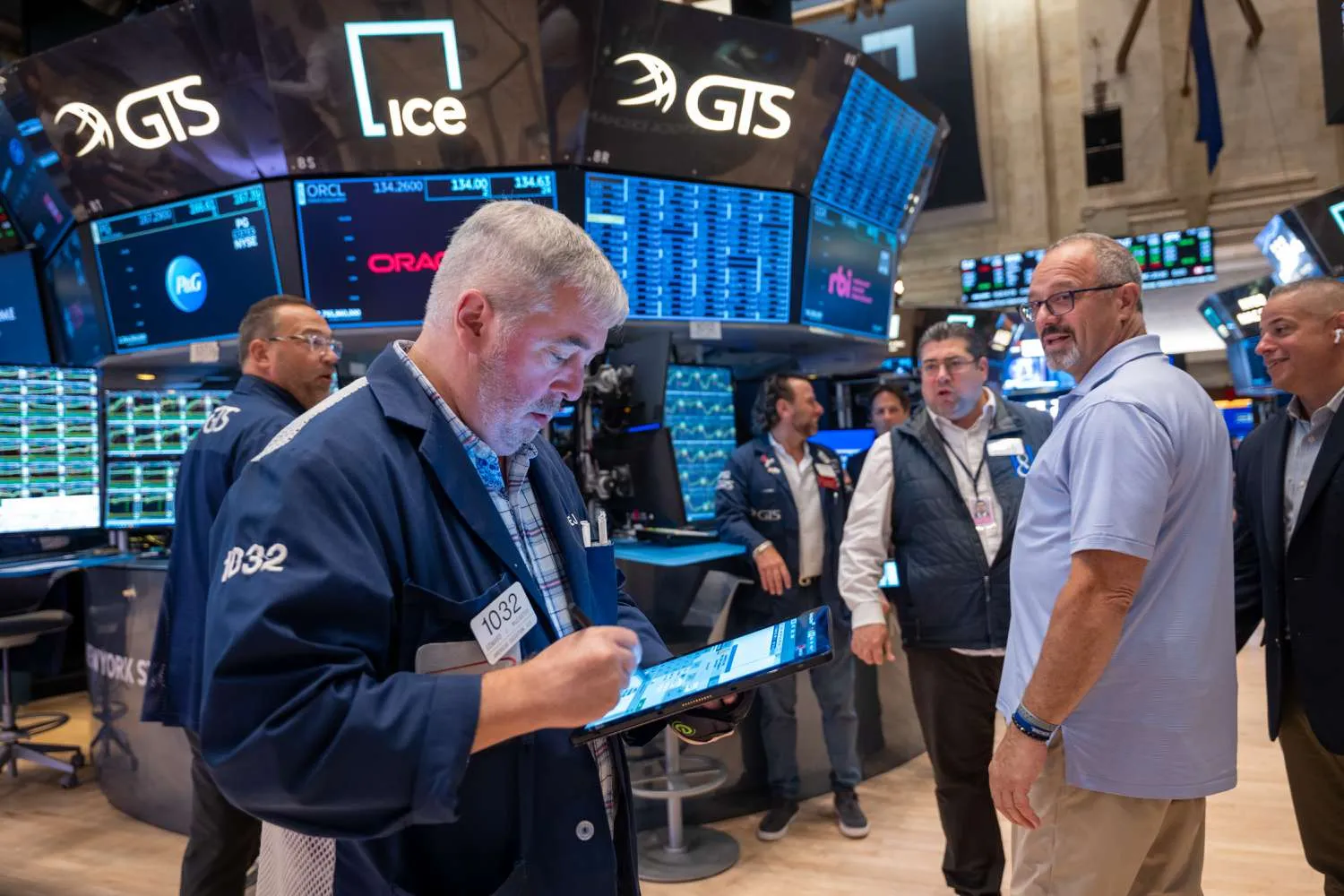

Wall Street took a sharp turn lower as a selloff in technology stocks rattled markets, with investors growing uneasy about the sheer scale of artificial intelligence spending and whether demand will ultimately justify the massive capital outlays. The turbulence spilled into other asset classes as well, with commodities posting outsized moves: gold slid sharply, oil prices jumped, and Bitcoin briefly dipped below the $85,000 mark.
US equities retreated from levels close to all-time highs. The S&P 500 fell 1.1%, while the Nasdaq 100 dropped a steeper 1.8%. Microsoft Corp. led the decline, plunging 12% in its worst one-day selloff since the early days of the pandemic, as concerns mounted that it may take longer than expected for its AI investments to translate into meaningful profits.
In contrast, Meta Platforms Inc. helped calm some nerves after offering a confident outlook that eased fears around runaway AI spending. Apple Inc. is set to report earnings later Thursday, adding another potential catalyst for markets already on edge.
At the same time, Wall Street is bracing for a surge in corporate borrowing as companies tap debt markets to fund ambitious AI projects. February could be on track to become a record month for corporate bond issuance, even as strategists caution investors against becoming overly comfortable. International Business Machines Corp. joined the rush, launching both dollar- and euro-denominated bond offerings after posting solid quarterly results.
For much of the past three years, the so-called “Magnificent Seven” technology giants have been the primary engine driving equity market gains. That narrative began to shift toward the end of 2025, however, as investors started to question the wisdom of pouring hundreds of billions of dollars into AI development without clearer visibility on when those investments will pay off. The enthusiasm that once surrounded the sector has given way to more sober reassessments of growth and profitability.
“Investors are selling because they’ve realized the returns from the AI theme may not be as large as they expected six months ago,” said Matt Maley of Miller Tabak & Co. “AI has become a crowded trade. Now investors are revaluing it and adjusting their exposure to big technology stocks accordingly.”
Markets also digested the aftermath of the Federal Reserve’s latest policy decision, which left interest rates unchanged. The following day brought a quiet slate of economic data, offering little to move bonds, which finished mostly flat. The US dollar barely moved as well, though it remains on pace for its weakest monthly performance since the tariff-driven turmoil seen in April.
In commodities, gold reversed course after an earlier surge that had pushed prices to a record above $5,500 an ounce. Oil, meanwhile, extended gains, with Brent crude climbing above $71 a barrel after President Donald Trump warned Iran that it must reach a nuclear agreement or risk facing military action. The geopolitical rhetoric added another layer of uncertainty to already volatile markets.
After years in which a small group of megacap AI-focused companies carried the broader market higher, investors are now debating whether a meaningful rotation away from technology can take hold. Strong and credible earnings forecasts will likely be required to sustain any shift, as traders question how durable the AI-driven rally really is. This skepticism has prompted many money managers to look beyond the market’s longtime leaders and diversify into other sectors.
“The AI theme and determining who ultimately benefits from ongoing AI capital spending remains the biggest factor influencing market-cap and style allocations,” said Dennis DeBusschere of 22V Research. “While the broader macro environment supports a widening of returns, AI-related themes have still been the dominant force behind market performance.”
With equities having staged a record-setting rally over the past year, expectations embedded in stock prices have risen sharply. That leaves little room for error. Companies that fall short of forecasts are being punished more aggressively, a trend highlighted by recent earnings reactions. On average, post-earnings stock moves relative to benchmark indexes have slipped by about half a percentage point, marking the first negative reading in two years.
For investors, the message is becoming clearer: the AI story is far from over, but it is evolving. As spending ramps up and scrutiny intensifies, markets are shifting from blind optimism toward a more selective and disciplined approach one that may ultimately reshape leadership across Wall Street.
Image
Gallery.


Subscribe to our newsletter!
As a leading independent research provider, TradeAlgo keeps you connected from anywhere.

Explore
Related posts.

