

Get the Latest Updates!

.svg)

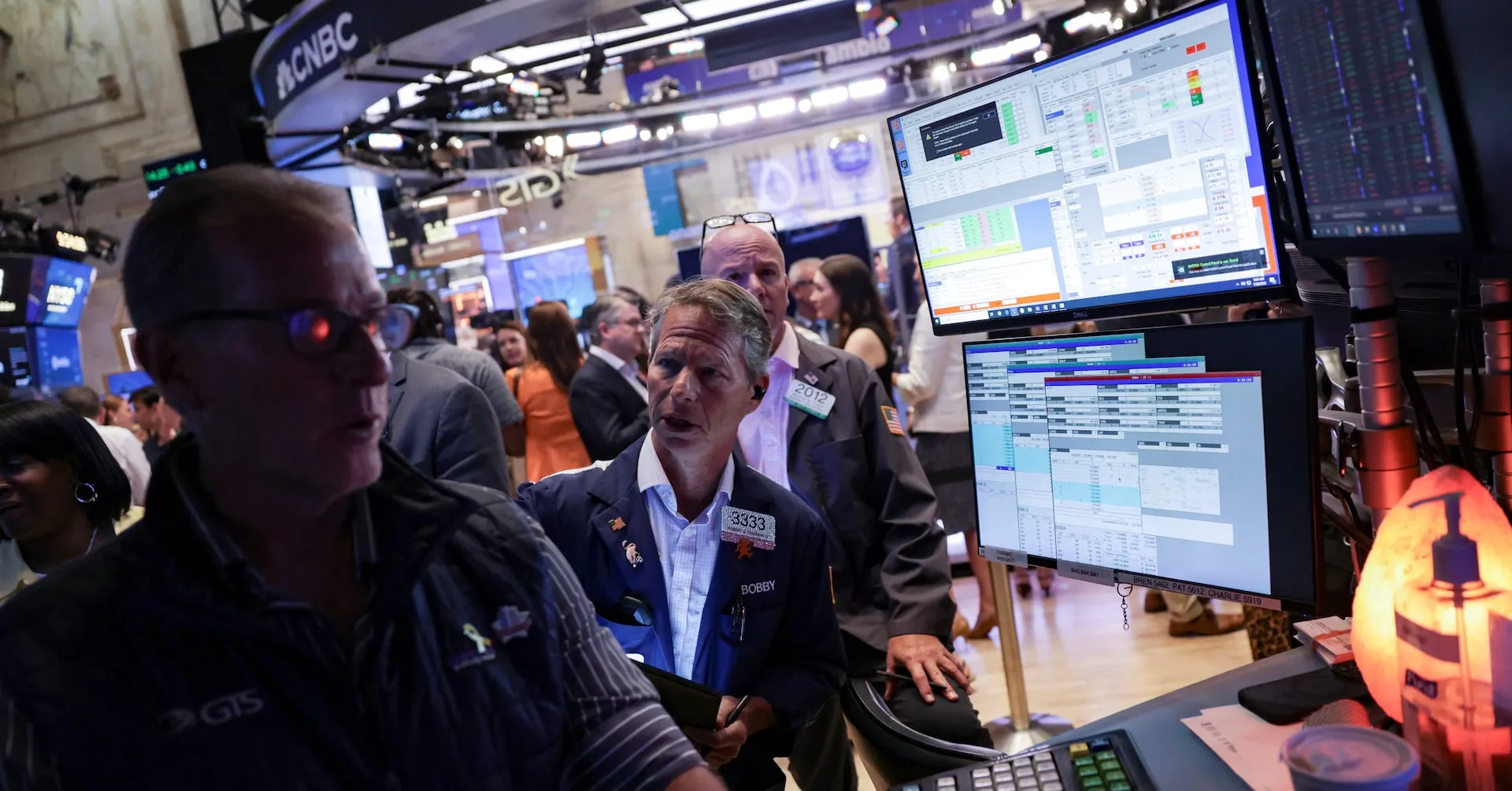

U.S. stocks opened the session largely unchanged, with investors showing little urgency as the year winds down. The S&P 500 hovered near flat territory in early trading, while performance among the largest technology companies was mixed. With many market participants already stepping away for the holidays, trading activity remained subdued. Tuesday’s volume was expected to stay light after Monday’s turnover came in nearly 40% below the 20-day average, underscoring the lack of conviction.
At 9:38 a.m. in New York, both the Nasdaq 100 Index and Bloomberg’s Magnificent Seven Index were also trading sideways. Sector performance within the S&P 500 was split. Energy and communication services stocks led the modest gains, while consumer discretionary, materials, and financial shares lagged, putting pressure on the broader index.
Despite the quiet tone, technical indicators continue to paint a constructive picture. “Over the past several weeks, markets have steadily moved higher with a sense of calm confidence, even during holiday-shortened trading periods,” wrote Craig Johnson, chief market technician at Piper Sandler & Co. He noted that market breadth has been improving, longer-term trend signals remain supportive, and volatility has broken below key technical levels—factors that typically favor continued upside.
Corporate developments added pockets of movement beneath the surface. Tesla Inc. shares slipped 0.8% after the electric-vehicle maker released a summary of analyst forecasts for current-quarter deliveries that skewed more cautious than estimates compiled by Bloomberg. The update raised concerns about near-term demand and production momentum.
Meta Platforms Inc., on the other hand, moved higher, gaining 1% after agreeing to acquire Manus, a Singapore-based artificial intelligence agent with Chinese origins. The transaction, reportedly valued at more than $2 billion, reflects Meta’s continued push to deepen its presence in the fast-evolving AI space, an area that remains a key focus for large-cap technology investors.
For those looking beyond the most recognizable AI names, attention continues to shift toward so-called “pick-and-shovel” stocks—companies that supply the infrastructure powering artificial intelligence growth. Data storage firms stood out as top performers within the S&P 500 this year. Sandisk Corp. led the group after delivering an eye-catching gain of nearly 580% over the year. The stock was little changed in early Tuesday trading, suggesting some consolidation after its massive run.
Elsewhere, mining stocks found support as precious metals stabilized following sharp losses in the prior session. Silver and gold rebounded modestly after Monday’s steep declines, lifting shares across the sector. Newmont Corp., one of the world’s largest gold producers, rose 0.65% as investor sentiment toward metals improved.
Healthcare stocks also saw notable activity. Molina Healthcare Inc. jumped 3.7% after prominent investor Michael Burry reiterated his bullish stance on the company. His renewed endorsement helped reignite interest in the stock, which has been closely watched for its exposure to government-sponsored healthcare programs.
Industrial stocks added to the day’s gains, with Boeing Co. climbing 1.60%. The move followed news that the aerospace giant secured a U.S. contract valued at up to $8.58 billion related to Israel’s F-15 fighter jet program. The deal provided a boost to Boeing’s defense business at a time when investors remain focused on the company’s broader recovery efforts.
On the economic front, fresh housing data offered a mixed but slightly firmer signal. October figures from both the Federal Housing Finance Agency and the S&P CoreLogic Case-Shiller Index showed home prices rising a bit more than economists had anticipated. The data suggest that housing demand remains resilient despite higher borrowing costs and affordability challenges.
Later in the day, investors are set to review minutes from the Federal Reserve’s most recent policy meeting. The release could offer additional insight into how policymakers are weighing inflation risks, economic growth, and the timing of future interest-rate adjustments—factors that continue to influence equity and bond markets alike.
Looking ahead, the global economic outlook remains cautiously optimistic. “As we turn our attention to 2026, the global economy continues to demonstrate notable resilience,” wrote Nathan Sheets, Citigroup Inc.’s global chief economist, in a recent note. He expects global growth to maintain a similar pace over the next two years, even as new challenges emerge.
Sheets acknowledged that tariffs are likely to weigh more heavily on growth next year, trimming economic momentum. However, he emphasized that the overall impact appears manageable, suggesting that the broader expansion remains intact. For investors, that balance of steady growth and contained risks continues to support a constructive, if selective, approach to markets heading into the new year.
Image
Gallery.


Subscribe to our newsletter!
As a leading independent research provider, TradeAlgo keeps you connected from anywhere.

Explore
Related posts.

