

Get the Latest Updates!

.svg)

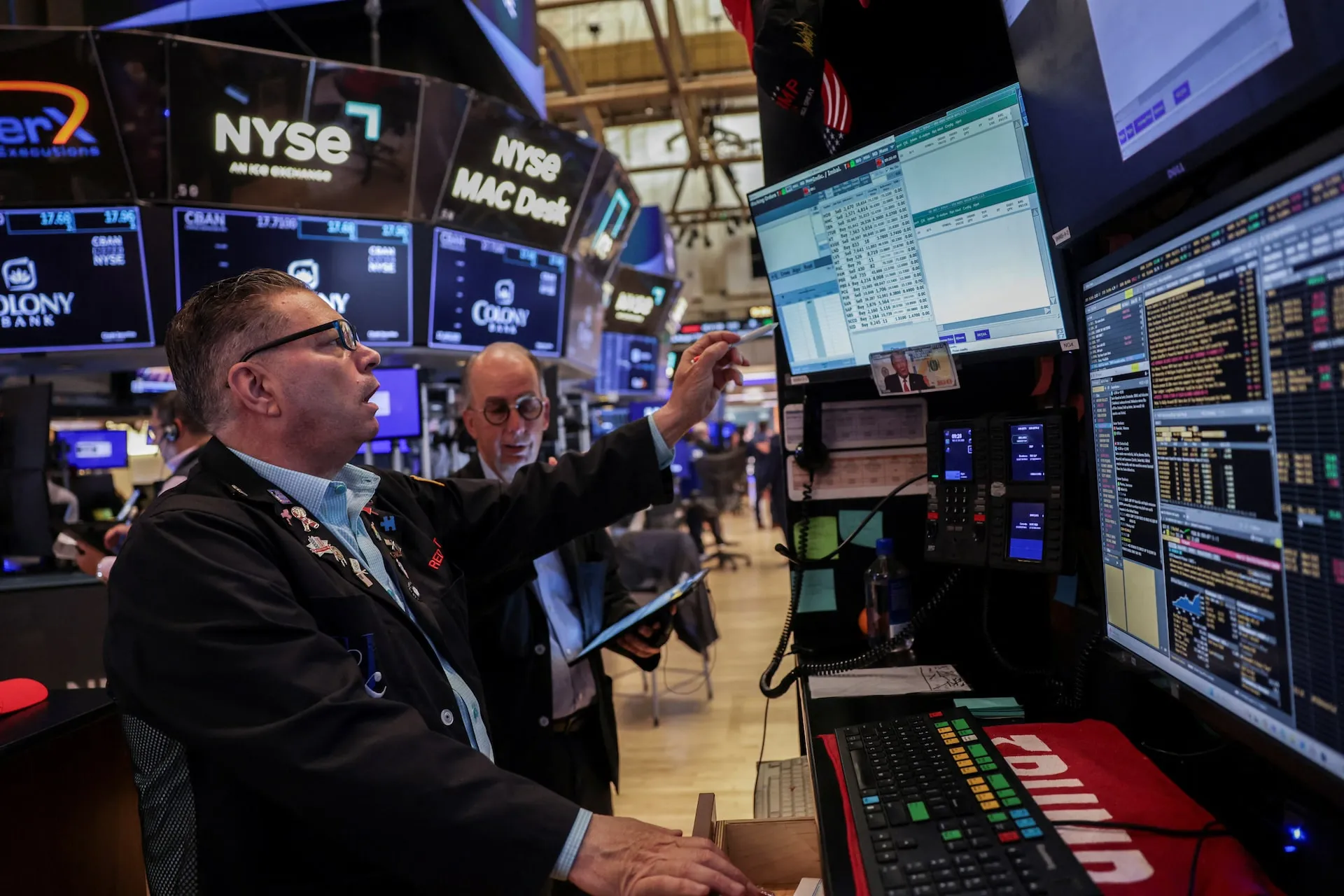

Last week, applications for U.S. unemployment benefits edged lower, reflecting the usual seasonal fluctuations that often appear in labor-market data as the year draws to a close. According to the Labor Department’s report released Wednesday, initial claims fell by 10,000, reaching 214,000 for the week ending December 20. Economists surveyed by Bloomberg had anticipated a higher figure, with the median estimate calling for 224,000 claims, highlighting the market’s sensitivity to even modest deviations from forecasts.
While the drop in jobless claims is a positive sign, analysts caution that seasonal factors, such as holiday layoffs and temporary shutdowns, can heavily influence these figures. Historically, the final weeks of the year see a mix of hiring freezes and short-term reductions in workforce activity, making it essential to interpret the numbers in context rather than as a definitive indicator of labor-market strength.
Wall Street responded to the labor data with muted trading activity, as investors weighed recent gains and tried to gauge how the economy might behave heading into the new year.
Stocks lingered near record highs, yet the market’s upward momentum appeared cautious, reflecting the complex interplay between strong economic fundamentals and the lingering uncertainties surrounding Federal Reserve policy. Bond yields fluctuated modestly, and the U.S. dollar hovered near its lowest levels since October, while gold prices stayed close to all-time highs.
Traders are also keeping an eye on the so-called “Santa Claus Rally,” a phenomenon that typically covers the last five trading days of the year and the first two of the new year. Historically, this period has often seen equities gain as investors take positions ahead of year-end portfolio adjustments and holiday optimism.
However, this year’s rally has been less pronounced, with the S&P 500 showing little net change at the start of the period. Analysts suggest that the combination of robust economic readings and lingering concerns over interest rates may be tempering the traditional end-of-year optimism.
Investors are also closely monitoring broader economic signals. Recent data, including strong GDP growth in the third quarter and resilient consumer spending, point to an economy that is holding up well despite elevated interest rates and tighter financial conditions.
The Federal Reserve has maintained a cautious stance, balancing its goal of containing inflation with the risk of slowing growth too abruptly. Any surprises in employment figures, consumer confidence, or corporate earnings could influence market direction in the final days of the year.
Sector performance has been mixed in recent sessions. Technology stocks have led the market rebound, buoyed by optimism surrounding artificial intelligence adoption and robust corporate earnings reports. Meanwhile, more cyclical sectors, such as industrials and consumer discretionary, have seen moderate gains as investors digest supply-chain challenges and input-cost pressures. Analysts note that sector rotation may continue into the new year, particularly if investors adjust positions in anticipation of evolving interest-rate policies or geopolitical developments.
On the fixed-income side, U.S. Treasury yields have remained relatively stable, even as traders digest mixed economic signals. The benchmark 10-year yield has been hovering near key levels, reflecting market expectations for the Fed’s policy trajectory.
Meanwhile, gold has attracted interest as a safe-haven asset, holding near historic highs amid ongoing global uncertainty and inflation concerns. Currency markets, too, have seen moderate movements, with the U.S. dollar slightly weaker against major peers, signaling a complex landscape for investors balancing risk and opportunity.
Consumer confidence has also been a focal point for market watchers. Recent surveys indicate that sentiment is softening, with Americans expressing caution over future economic conditions, even as labor-market data remain relatively strong.
This divergence between confidence and underlying employment trends highlights the nuanced economic backdrop facing investors, emphasizing the need for careful analysis and risk management.
Looking ahead, the final trading days of 2025 are likely to see continued volatility, albeit within a relatively narrow range. Investors are weighing strong corporate earnings, resilient economic data, and low unemployment against potential headwinds, including elevated interest rates, inflation persistence, and geopolitical uncertainties. Portfolio adjustments, tax-loss harvesting, and year-end rebalancing may also drive trading patterns, creating pockets of activity amid a generally quiet market environment.
In summary, last week’s decline in jobless claims offers a snapshot of a labor market that remains resilient, albeit with seasonal variations that require careful interpretation. U.S. stocks are consolidating near record levels, while bonds, gold, and the dollar reflect a balanced outlook that weighs both optimism and caution.
As traders and investors navigate the final stretch of 2025, the interplay between employment data, economic indicators, and market sentiment will continue to shape asset allocation decisions and trading strategies. The market remains poised for a nuanced end-of-year performance, balancing strong fundamentals with the potential for short-term volatility.
Image
Gallery.


Subscribe to our newsletter!
As a leading independent research provider, TradeAlgo keeps you connected from anywhere.

Explore
Related posts.

