

Get the Latest Updates!

.svg)

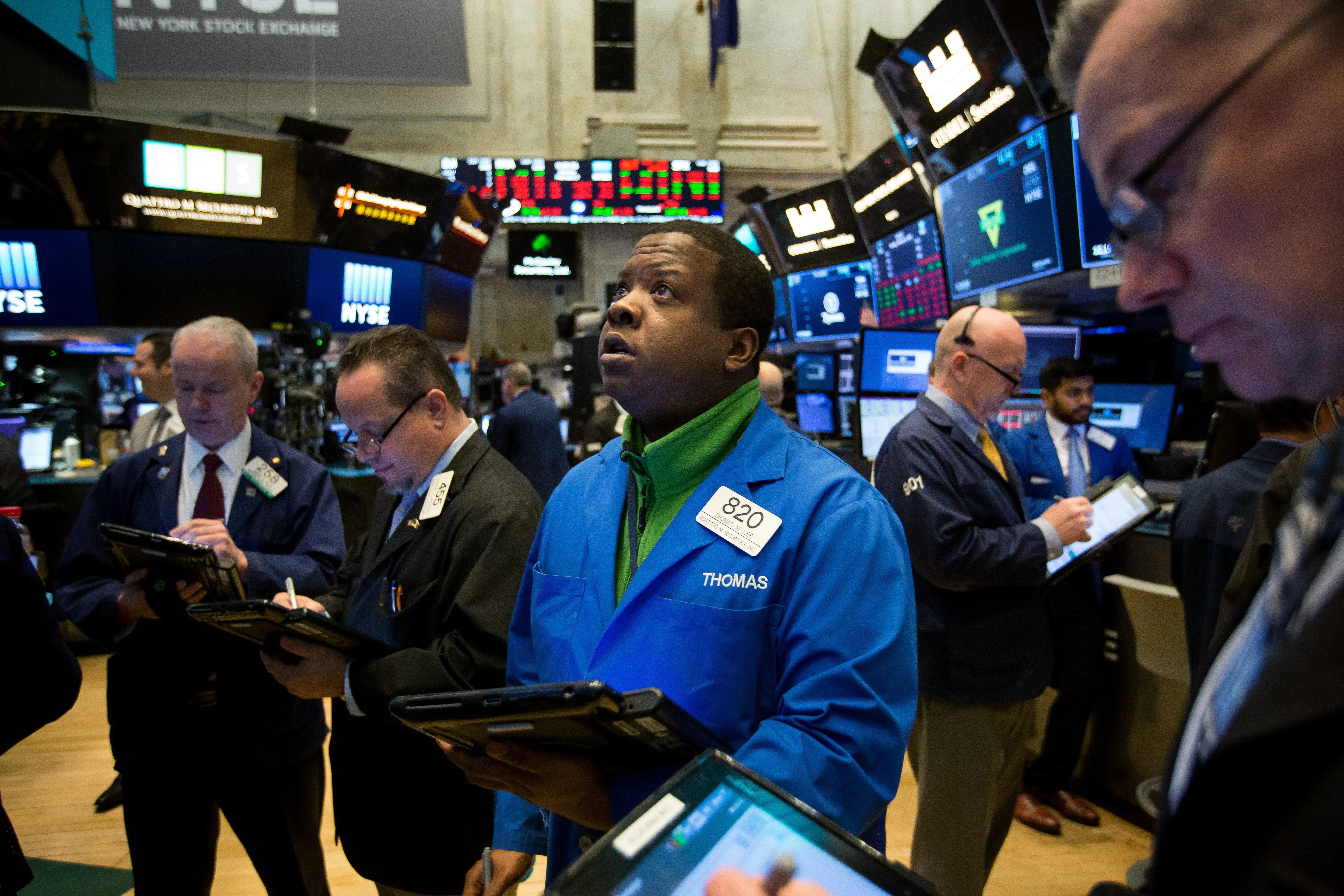

Wall Street’s Risk Appetite Remains Strong as New Year Trading Heats Up
Wall Street’s appetite for risk has returned with force. As the first full trading week of 2026 wrapped up, a broad-based rally across asset classes signaled that investors are once again leaning into higher-risk opportunities. From speculative meme stocks and high-yield credit to small-cap equities, momentum has been building steadily, with little evidence so far of fatigue.
US equities notched fresh record highs, capping off an energetic start to the year. The rally has been driven by growing confidence in the economic outlook, signs of improving productivity, and easing concerns around inflation.
Together, those factors have created a supportive environment for risk assets, lifting cyclical stocks, commodities, and more speculative corners of the market at the same time.
What stands out most about this advance is its breadth. Rather than being concentrated in a handful of mega-cap technology names, gains have spread across sectors and styles. Small- and mid-cap stocks have outperformed, suggesting investors are growing more comfortable with domestic growth prospects. Companies tied to industrial activity, consumer spending, and manufacturing have also benefited, reflecting optimism that economic momentum is becoming more durable.
Credit markets are telling a similar story. High-yield bonds have rallied alongside equities, with spreads narrowing as demand for yield strengthens. Investors appear increasingly confident that default risks will remain contained, supported by steady growth and improving corporate balance sheets. The renewed interest in lower-rated debt underscores how quickly risk sentiment has shifted from cautious to constructive.
Speculative trading has also made a comeback. Meme stocks and other highly volatile names have seen sharp price swings to the upside, fueled in part by retail participation and short-covering. While these moves don’t always reflect underlying fundamentals, they often emerge during periods when liquidity is ample and confidence is high. For seasoned investors, they serve as a reminder that risk-taking behavior tends to rise when markets perceive downside risks as limited.
Macroeconomic data has played a key role in reinforcing that perception. Recent reports point to resilient consumer demand, steady job creation, and early signs that productivity growth is improving.
At the same time, inflation readings have remained contained, easing fears that the Federal Reserve may need to reintroduce aggressive tightening. This combination has strengthened the case for a “soft landing” narrative, which markets have embraced enthusiastically.
Commodities have joined the rally as well. Industrial metals and energy prices have moved higher, reflecting expectations for stronger global demand. These gains have further supported shares of mining, materials, and energy companies, adding another layer to the market’s cyclical tilt. For investors, this rotation suggests positioning is shifting away from defensive postures and toward growth-sensitive assets.
Policy expectations have also helped stabilize sentiment. While central banks remain cautious, investors increasingly believe that interest rates are close to their peak.
Even without imminent rate cuts, the idea that borrowing costs may no longer be a major headwind has been enough to encourage risk-taking. Equity valuations, while elevated in some areas, are being justified by the prospect of sustained earnings growth rather than multiple expansion alone.
That said, not everyone is convinced the rally will continue uninterrupted. Some strategists warn that markets may be getting ahead of themselves, particularly if economic data softens or inflation reaccelerates unexpectedly. Valuations in certain segments look stretched, and pockets of speculative excess could leave markets vulnerable to sharp pullbacks if sentiment shifts.
For now, however, investors appear willing to look past those risks. The prevailing view is that growth remains strong enough to support corporate profits, while policy and inflation dynamics are unlikely to derail the expansion in the near term. This balance has kept volatility relatively subdued, reinforcing confidence across asset classes.
As 2026 unfolds, the key question will be whether this synchronized rally can maintain its momentum. Much will depend on incoming economic data, earnings results, and signals from policymakers. If growth continues to surprise to the upside without reigniting inflation, risk assets may have room to run further. Until then, Wall Street’s renewed embrace of risk is setting a confident tone for the year ahead.
Image
Gallery.


Subscribe to our newsletter!
As a leading independent research provider, TradeAlgo keeps you connected from anywhere.

Explore
Related posts.

