

Get the Latest Updates!

.svg)

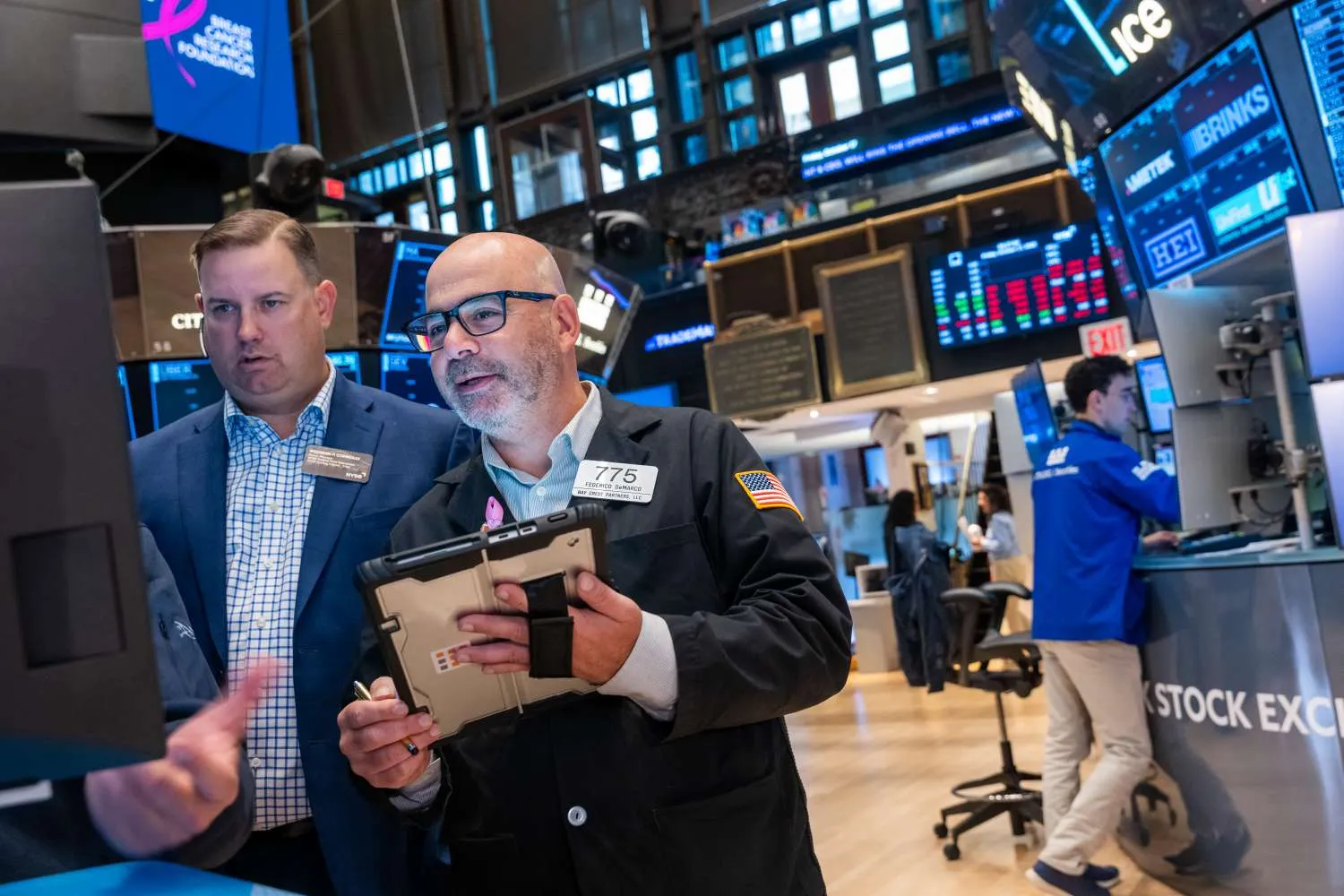

US equities are on track to post a second straight weekly loss, marking the first time the S&P 500 has fallen for two consecutive weeks since June. A volatile stretch in global markets has reignited investor interest in diversification, driving capital flows across asset classes and international regions. Stock futures pointed lower late in the week, suggesting that recent gains may not be enough to offset mounting macroeconomic and geopolitical pressures.
Futures tied to the S&P 500 slipped around 0.2%, signaling the potential end of a short-lived two-day rebound. While that rally provided brief relief, it failed to fully reverse the sharp selloff seen earlier in the week.
The initial downturn was sparked by renewed geopolitical uncertainty after US President Donald Trump reiterated an aggressive stance on asserting greater influence over Greenland, a semi-autonomous territory governed by NATO ally Denmark. The comments unsettled markets already sensitive to political risk, prompting investors to reduce exposure to US equities.
The turbulence has accelerated a broader shift underway in global portfolios. Investors have increasingly rotated away from crowded US stock positions and toward international markets, fixed income, and alternative assets. This trend reflects growing concerns about elevated valuations in US equities, as well as expectations that economic growth outside the United States could begin to narrow the performance gap that has favored American markets in recent years.
Market participants also remain focused on the Federal Reserve’s policy outlook. While inflation has shown signs of easing, officials have signaled that interest rates may stay higher for longer than previously anticipated.
That stance has weighed on risk assets, particularly high-growth and technology stocks that had driven much of the market’s gains earlier in the year. As borrowing costs remain restrictive, investors are reassessing earnings expectations and adjusting allocations accordingly.
Bond markets, meanwhile, have benefited from the shift in sentiment. US Treasury yields have stabilized after recent volatility, drawing demand from investors seeking safety amid equity market swings. The renewed interest in government bonds underscores the cautious tone dominating financial markets, especially as geopolitical tensions and policy uncertainty continue to cloud the outlook.
Global equities outside the US have also seen increased attention. European and Asian markets have attracted inflows as investors look to diversify geographically and capitalize on relative valuation discounts. Emerging markets, in particular, have benefited from a weaker US dollar and improved growth prospects in select regions, adding momentum to the global rotation theme.
Commodities have played a role in portfolio rebalancing as well. Gold prices have remained resilient, supported by safe-haven demand and central bank buying. The precious metal’s strength highlights investor demand for hedges against geopolitical risk and potential market instability. Energy markets, by contrast, have experienced mixed trading as supply dynamics and demand expectations continue to evolve.
Despite recent losses, many strategists caution against reading too much into short-term market moves. Some argue that the pullback represents a healthy consolidation after a strong rally earlier in the year, rather than the start of a prolonged downturn. Corporate earnings have generally held up, and economic data continues to point to steady, if moderating, growth.
Still, the combination of political uncertainty, shifting monetary policy expectations, and elevated valuations has made investors more selective. Market leadership has narrowed, with defensive sectors such as utilities, healthcare, and consumer staples showing relative strength compared to more cyclical areas of the market.
Looking ahead, traders will closely monitor upcoming economic releases, including inflation data and labor market reports, for clues about the Fed’s next moves. Developments on the geopolitical front will also remain a key driver of sentiment, particularly as global alliances and trade relationships face renewed scrutiny.
For investors, the current environment underscores the importance of diversification and risk management. As market rotation gains speed, portfolios that balance exposure across regions and asset classes may be better positioned to navigate ongoing volatility.
While US stocks remain a core component of global markets, the recent pullback serves as a reminder that leadership can shift quickly in an increasingly interconnected financial landscape.
Image
Gallery.


Subscribe to our newsletter!
As a leading independent research provider, TradeAlgo keeps you connected from anywhere.

Explore
Related posts.

